
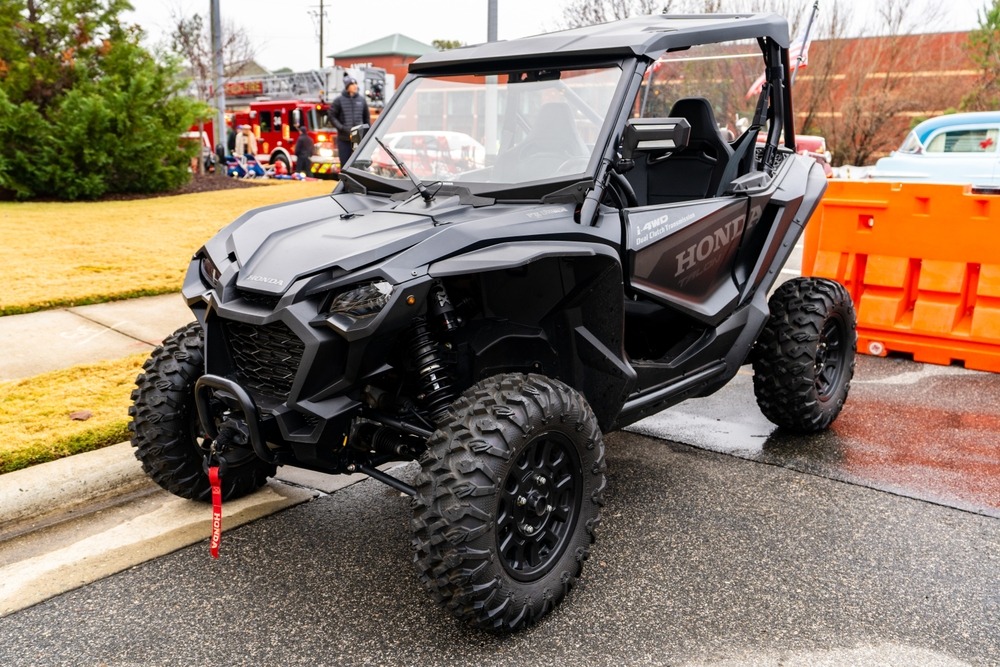
If you have spent any time around trails or job sites in Utah, you have probably seen a side-by-side kicking up dust. Karl Malone Powersports Heber, right here in Heber City, gets this question all the time: what is a side-by-side, and how is it different from the other off-road machines out there?
Good news. The answer is simple, and once you get it, you will start spotting these rigs everywhere.
This guide breaks down what a side-by-side is, the main types, the features that matter, and how to figure out which one fits the way you like to ride.
So, What Is a Side-by-Side?
A side-by-side is an off-road vehicle with seats set next to each other, so you and a passenger ride shoulder to shoulder. That seating layout is where the name comes from. You will also hear it called an SxS, an SSV, or a side-by-side vehicle, and they all mean the same machine.
Unlike a rig you straddle, a side-by-side drives a lot like a small car. It has a steering wheel, foot pedals for gas and brake, bucket seats, and seat belts. Most also come with a roll cage over the top to add protection if the ride gets rough.
Side-by-Side vs ATV: What Is the Difference?
The ATV vs side-by-side question comes up a lot, and the difference is easy to spot. An ATV, or all-terrain vehicle, is the machine you sit on like a motorcycle. You steer with handlebars and lean into turns, and most ATVs carry a single rider.
A side-by-side flips that setup. Instead of handlebar steering, you get a steering wheel, and instead of one seat, you get two or more side by side. If you like the idea of bringing a buddy, a kid, or a loaded cooler along, the side-by-side wins. Want to compare the two in person? You can check out the new ATV inventory and see how they stack up.
The Two Main Types: Sport and Utility
Most side-by-sides fall into one of two camps.
Sport models are built for speed and fun. Think trail riding, off-road racing, and blasting across open desert. They sit lower, corner hard, and live for recreational riding.
Utility models are the workhorses. These utility task vehicles, also called utility terrain vehicles, focus on getting jobs done. They come with a cargo box or cargo bed, strong towing capacity, and solid payload capacity for hauling gear, feed, or tools. Plenty of riders split the difference with a crossover that handles a little of both.
Top Side-by-Side Brands at Karl Malone Powersports Heber
Some names show up again and again in the side-by-side world, and several of them sit right on the lot. A few you will find here:
- Honda Talon and Pioneer: the Talon leans sport for fast trail runs, while the Pioneer is the utility side, built to work and haul.
- Yamaha Wolverine: a rec-utility line, including the RMAX models, that mixes trail comfort with work-ready muscle.
- Kawasaki Teryx: a durable rec-utility model that handles trails and chores with equal ease.
- CF Moto ZForce and UForce: the ZForce brings sporty trail fun, and the UForce line handles the utility work.
- Arctic Cat Wildcat and Prowler: the Wildcat covers the sport side, and the Prowler takes on utility duty.
Those are handy reference points for the category. At Karl Malone Powersports Heber, the new lineup features top brands like Honda, Yamaha, Kawasaki, CF Moto, and Arctic Cat, and you will often find machines from other brands in the pre-owned inventory too.
Key Features to Know Before You Shop
A few features separate one side-by-side from the next, and knowing them helps you shop smart.
- Roll cage and seat belts: standard safety gear that keeps riders secure.
- Ground clearance: more clearance means you clear rocks and ruts with less drama.
- Winches: handy for pulling yourself, or a friend, out of a sticky spot.
- Windshields and an enclosed cab: great for cold mornings, dust, and rain.
- Customization: doors, roofs, lights, and racks let you build the machine around your plans.
What Can You Actually Do With a Side-by-Side?
Short answer: a lot. These machines are built for off-road adventure, and they shine across all kinds of terrain.
Popular uses include trail riding with the family, hunting trips deep into the backcountry, ranching and property work, and technical rock crawling for folks who like a challenge. If you want one off-road machine that fits both weekends and weekdays, this is it.
Are Side-by-Sides Street-Legal?
Sometimes, and it depends on where you live. Many side-by-sides are made for off-road use only, but some can be registered as street-legal once they have the right equipment, like lights, mirrors, and a horn.
Utah has its own rules for street-legal off-road vehicles, and those rules can change, so check the current requirements before you plan to drive on public roads. The team is happy to point you in the right direction.
Finding the Right Side-by-Side at Karl Malone Powersports Heber
Ready to See One in Person? Stop by Karl Malone Powersports Heber in Heber City, browse the lineup, and take your time finding the right fit. Have questions first? You can reach out to the team and we will help you get pointed the right way.
Frequently Asked Questions
What does SxS stand for?
SxS is short for side-by-side, named for the seating where riders sit next to each other. You may also see it written as SSV, which means side-by-side vehicle.
Is a side-by-side the same as a UTV?
Basically, yes. UTV stands for utility task vehicle, and people use UTV and side-by-side to describe the same kind of machine, though UTV often points to the more work-focused utility models.
How many people can ride in a side-by-side?
It depends on the model. Many seat two, while larger models seat four or more, with a set of seat belts for every rider.
Can a side-by-side tow and haul?
Utility models can. They come with a cargo bed plus real towing capacity and payload capacity, which makes them popular for ranching, hunting, and property work.
Do I need anything special to ride one off-road?
Rules vary by state and by the land you ride on, so it is smart to know the local off-road laws before you head out. The crew at the dealership can help you sort out the basics.